

You can go to the fridge and get a snack when you are hungry. When your pets need to go outside, they can demand that you meet their needs with an assortment of meows and barks. When do the cannabis plants you have been growing need something from you? That is a different story entirely.
Fostering a successful cannabis harvest requires an attentive eye and a passion for the little details. With the industry exploding in popularity alongside loosening cannabis legislation, newer growers are learning the signs of distress to look for when cultivating marijuana on their own.
Today, we are going to set our sights on one of the biggest tell-tale signs of a marijuana plant in distress: curling leaves.
Curling Leaves and Cannabis
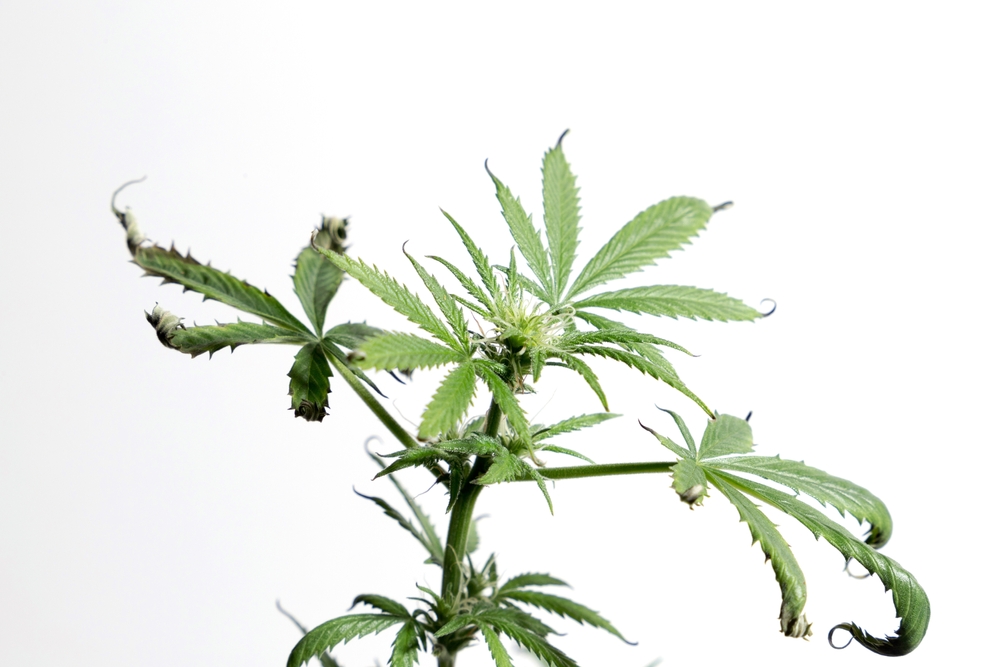
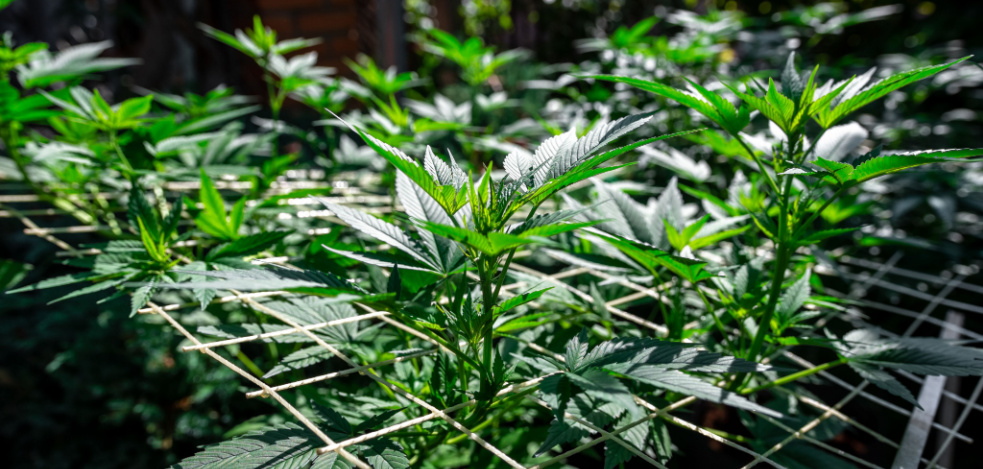
While there are many different signs and symptoms of potential stress within your plant, one of the easiest signs to note is the curling of leaves. Curling leaves are an obvious signal that your plant can send you to notify you that serious issues are going on. Claw-like folds are one of the simplest signs that something is going wrong.
Curling leaves aren’t necessarily the end of the world, but this physical trait does signify that there is room for improvement within your set-up.
Curling leaves can be caused by several different issues, so let’s take a broad view to better understand what we are dealing with.
Too Much WaterWhile it might sound better to have too much water rather than not enough, the truth is that it is damaging all the same. Excess water will contribute directly to the loss of beneficial microbes within your soil or growing substrate. Additional overwatering can lead to the development of fungi and algae growth, eventually inviting other parasitic issues including root rot.
Overwatering is one of the biggest problems that newer growers face because they likely want to ensure their plants are fed. If the leaves of your plant begin to perk up within 30 minutes of watering them, then you know that their clawing effect was due to an overabundance or lack of water.
If you notice that your plant has claw-like leaves that are drooping toward the ground, you may be overwatering your plant. Take a step back and assess how often you are feeding your plant.
Too Much Fertilizer
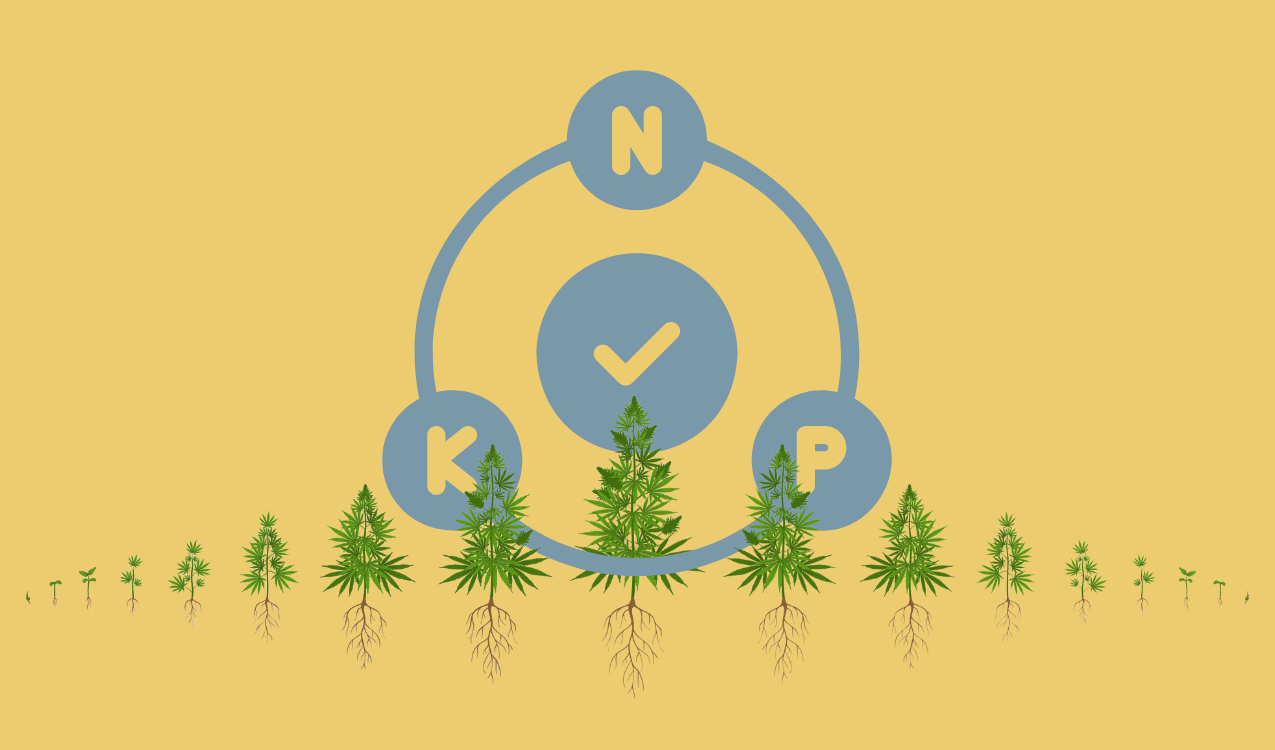
If your plant can struggle with a lack of fertilizer, it can also suffer from an overabundance of nutrition. Approaching your marijuana growth with an even-keeled approach is the best path to success. If you find that your plants are beginning to claw and URL toward the ground, consider pulling back on your phosphorous and potassium during the flowering phase.
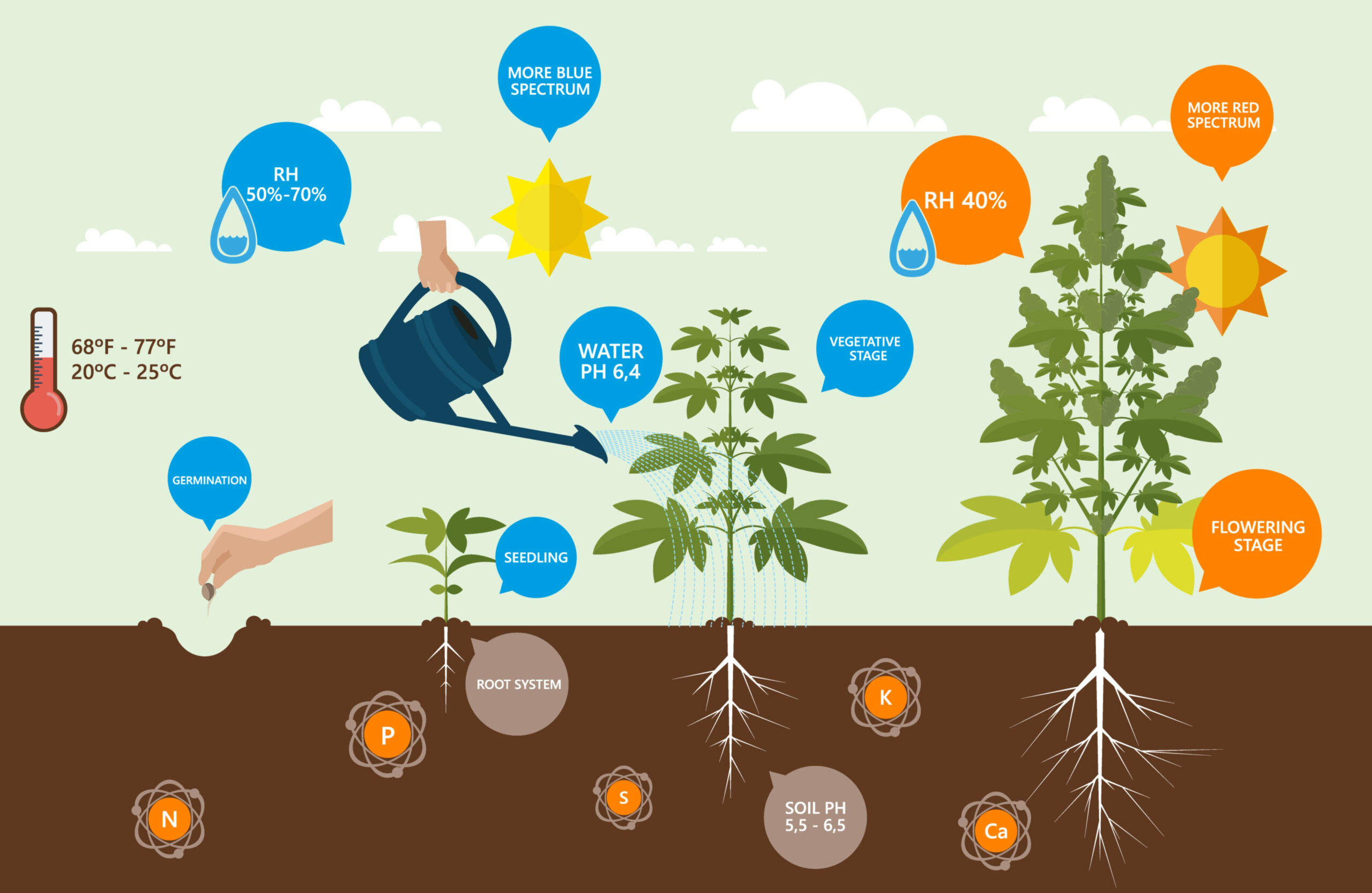
To address an issue of over-fertilizing, it is best to figure out why the plant is being fed too much. Some growing mediums retain water and nutrition better than others. Dial in your feeding program by referring to a chart developed by professionals in the industry.
Remember, you can always add more later. Start low and go slow when it comes to supplementing your crop.
Temperatures Are Too Cold
While cannabis plants have thrived from the mountains of the Middle East to the bitter cold of late-season Europe, growers must pay careful attention to the temperatures that they foster within their growing room. While cannabis plants can survive and even thrive within certain elements, your best bet is to keep your growing room between 75 and 85′ Fahrenheit.
If you are growing outdoors, then it is important to check the genetics of your plants to make sure that they can thrive within your environment. For this reason, many modern growers are opting to take an indoor, hydroponic-based approach so that they can enjoy bountiful harvests year-round.
Dealing With Pests
The wildcard that every cannabis cultivar must deal with is the presence of pests. Pests can damage your plants from the root system to the tip of the leaves, leaving behind a trail of destruction that ruins what could have otherwise been a great harvest.
Pests are not always easy to see but the damage that they leave behind is very real and obvious. Aphids and mites often feed on the underside of cannabis leaves to access the inner nutrition, leaving behind a mess of damage with drooping and curling being two obvious signifiers.
With most pest infestations, curling leaves will transition into crispy and dry plant matter as the infestation is left untreated. Leaves will lose all the necessary nutrition they need and will eventually become deformed and die.
Pay close attention to your cannabis plants and watch for signs of pests. Catching these potentially harmful critters early can be the best way of ensuring the health and vitality of your crop.
Low-Quality Soil
One of the easiest ways to avoid potential issues during your cannabis grow is by focusing on good soil. You can utilize healthy living soil from a local gardening center or you can even opt for a more neutral medium like coco coir. Poor quality soil can be heavy, muddy, and filled with contaminants that end up harming your plants.
When selecting soil for your cannabis plants, focus on three primary aspects: drainage, water retention, and overall texture. You want your plants to retain healthy oxygen levels while absorbing nutrients. If your plants do not have good and healthy soil, the entire process will suffer and your plants will be less than what they could have been.
A Final Note on Genetics
Even the best grow can be impacted by less-than-ideal plant genetics. Some plant genetics tend to lead to curly leaves. Some strains, including autoflowering sativa, are particularly sensitive to high levels of fertilizers.
Understand the genetics of the plant that you are working with and you will have a much more successful grow and harvest.












Leave a Reply