

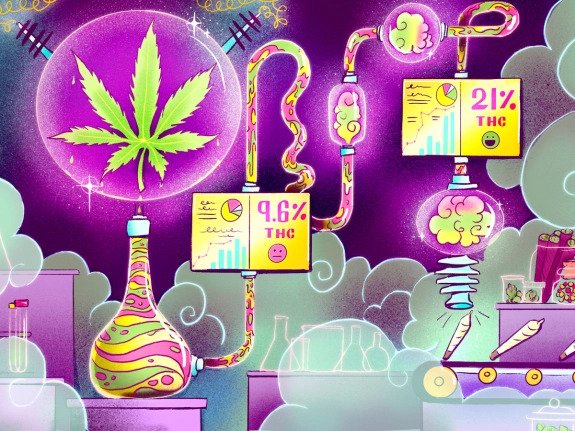
THC (tetrahydrocannabinol) is considered the prized cannabinoid in cannabis, at least for most growers. Therefore, when you set out to grow your own weed, hopes of a high-THC level are a natural desire. If you’ve grown before and experienced lackluster potency, a number of things could have been at play.
The thing is, several factors affect the potency of cannabis where THC is concerned. Everything from the seeds you pick for germinating to how you handle your harvest near the finish line can influence THC potency levels. Below is a look at why THC potency is important, how you can assure maximum THC levels, and more.
Why Boost THC Levels in Cannabis?
Years ago, THC potencies in the double-digit range were considered high level. In 1995, tested cannabis samples collected by the DEA were falling in at ranges around 4 to 6 percent THC. By 2014, those ranges had doubled: around 12 to 19 percent. Now, almost a full decade since those published numbers, a good portion of cannabis runs 20 percent THC, with some breeders achieving strains with 30 percent or more.
The changes in potency over the years can be attributed to two things. One, more states have embraced marijuana and legalized the plant for recreational or medicinal purposes. This has allowed more innovative breeders to step up to the plate and bring to live higher-THC cultivars. Two, there is a greater understanding of the value of higher THC levels. THC is king when it comes to cannabis. This cannabinoid is responsible for the psychoactive effects, but it is also known to offer desirable therapeutic properties, such as helping with pain or sleep. So, more cannabis-focused botanists and breeders are specifically aiming to enhance THC levels.
Boosting THC levels in your own plants means:
- Greater potency as far as psychoactive effects
- Higher-quality yields with a greater overall value
- Greater therapeutic relief with less flower used
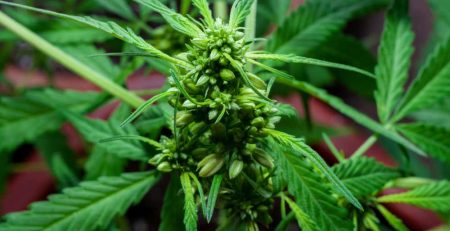
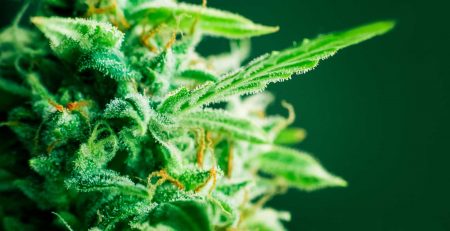
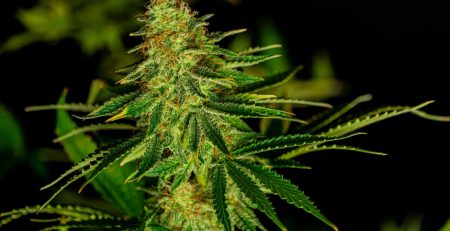
The satisfaction of what your weed looks like with higher THC levels is also worth a mention. The resinous trichomes that develop on the buds of a cannabis plant are where the greatest concentration of THC and other cannabinoids are found. Therefore, you don’t get those gorgeous frosty nuggets at harvest time if the THC levels are relatively low. And, this means a less sticky, less potent, and less flavorful outcome once the buds are cured.
How to Boost THC Levels from Seed Selection to Curing
1. Get Critical with Plant Genetics
Before picking seeds, do a deep dive into strain genetics to make sure you are working with a high-THC strain. No matter how you treat the plant, you can’t take a low-range THC plant (based on genetics) and transform it into a highly potent harvest. For example, something like Star Tonic seeds is going to deliver THC ranges somewhere around 5 percent, but Grape Gorilla Glue is known for upwards of 26 percent THC.
Likewise, pick up seeds from a trustworthy source. The best seeds are well-honed through several breeding cycles to stabilize plant phenotypes and ensure consistent THC-level outcomes.
Remember, as a new grower, you are far more likely to inadvertently lower the THC level in the plant during cultivation. So, if you start with seeds from a low-THC plant, you can pretty much bet on the fact that your harvested bud will be close to or less than what is expected.
2. Keep the Plant as Healthy as Possible
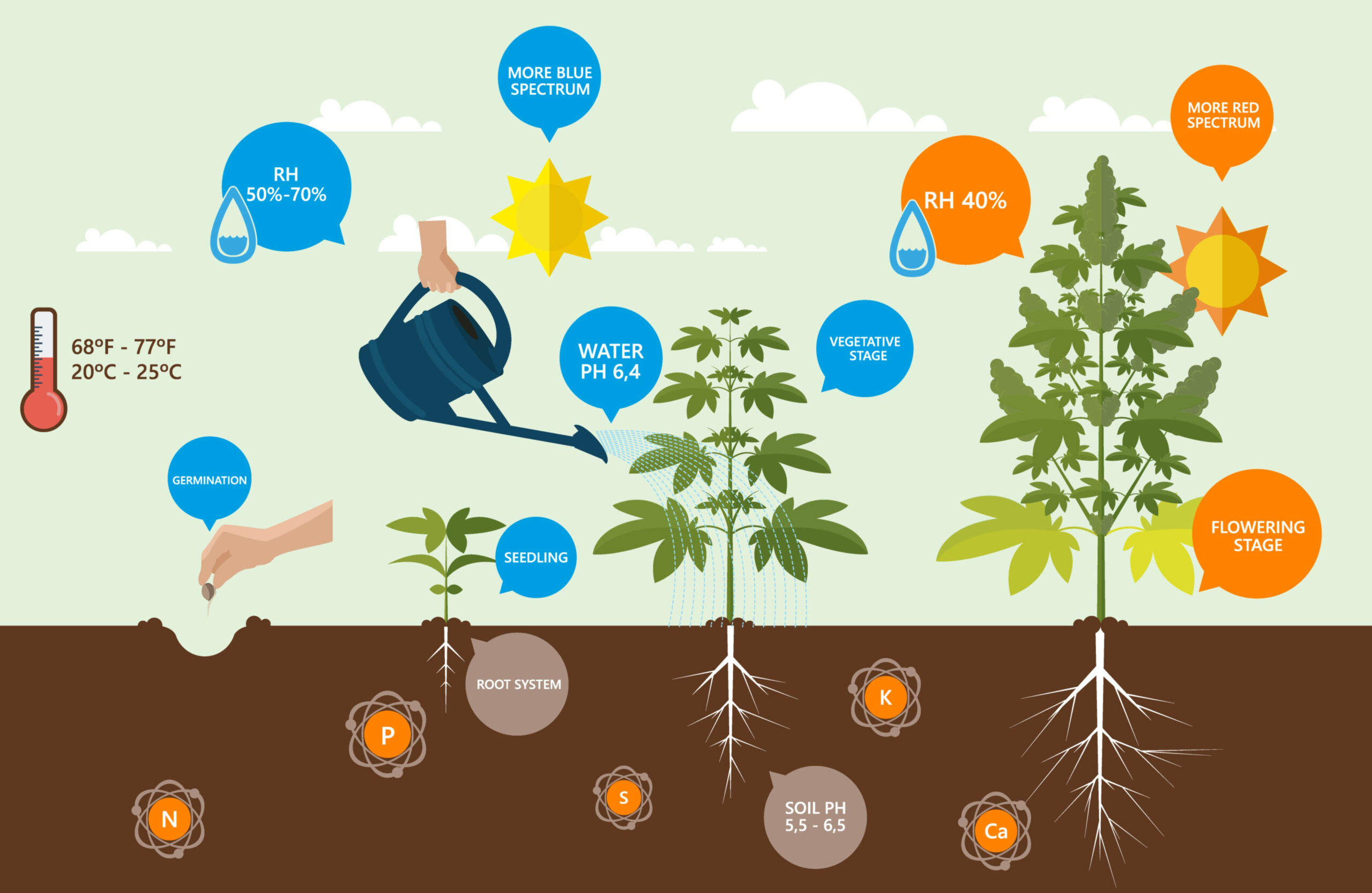
The bottom line, a well-nurtured marijuana plant equals a better THC level in any scenario. If you take good care of the plant during all stages of growth, the plant can focus more on cannabinoid and terpene production than using resources to just stay alive or grow. Small mistakes like poor soil quality, overwatering, and lack of nutrients can lead to a less-than-impressive outcome.
You are bound to make a few mistakes if you are getting started as a cannabis grower, but you eventually learn your plants and recognize when they are telling you something is wrong. For example:
- Spotty leaves may be a sign of pests on your plant
- Yellowing of the leaves may mean heat stress or pH level imbalances in the soil
- Drooping leaves may be a sign of water or nutrient deficiency
The best way to give your cannabis plant the best chance of success is to educate yourself as a grower. Do your research, talk to other growers, and never be afraid to ask a more experienced cultivator if you see an issue and have no idea what’s going on.
3. Choose and Use Lighting Carefully
Optimal lighting can mean a lot to a cannabis plant’s end THC potency. During the vegetative growth process, cannabis plants can require up to 18 hours of good lighting a day. Once the plant hits the flowering stage, 12 hours of light and 12 hours of darkness are the general plan.
In addition to light timing, you have to consider the quality of the light provided. Grow lights come in a lot of different forms, and some growers swear by certain types of lights. There is some science behind this as well. When cannabis grows outdoors, it automatically triggers more resin production in defense against ultraviolet rays from the sun. Therefore, you can trigger more resin and higher THC by manipulating lighting to mimic the sun.
The three primary types of lights growers use include:
- Fluorescent lights
- HID (high-intensity discharge) lights
- LED (light-emitting diode) lights
All three light types deliver a fairly decent lighting spectrum. However, HID and LED lights are more likely to boost THC production.
4. Harvest Cannabis at the Right Time
Harvest time is critical when it comes to THC levels in the plant. Too early, the plant hasn’t had time to finish production or reach its potential. Too late, you’ll lose a lot of THC because it will convert to CBN (cannabinol). You will know your plant is ready for harvest when:
- Buds feel sticky when you touch them
- The plant emits a strong odor
- Pistils have started to brown and curl inward
- Larger plant leaves are changing colors
5. Cure Harvested Buds Properly
After harvesting and trimming your plants, dry the buds until the stems snap easily without bending. From here, transitioning to the curing process is an important last step. During curing, the buds are placed in airtight jars and burped daily until they reach the adequate moisture level for long-term storage.
Curing forces certain chemical reactions in the plant that can potentially enhance THC levels. For example, chlorophyll dissipates and excess moisture evaporates, which makes the plant more profoundly flavorful and potent.
Final Thoughts on Boosting THC Levels in Cannabis
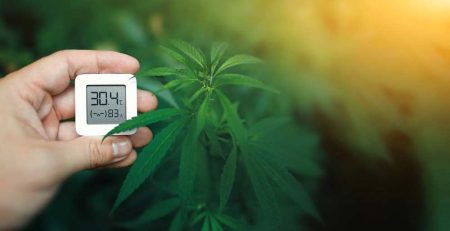
While many growers follow more advanced strategies for boosting THC levels like manipulating grow temperatures and moisture, the aforementioned basics are a good start. Some growers also swear by certain nutrients and harvesting practices to help make weed more potent. In any case, genetics, plant health, lighting, harvest time, and curing are the most important things to pay attention to as a new grower.












Leave a Reply