

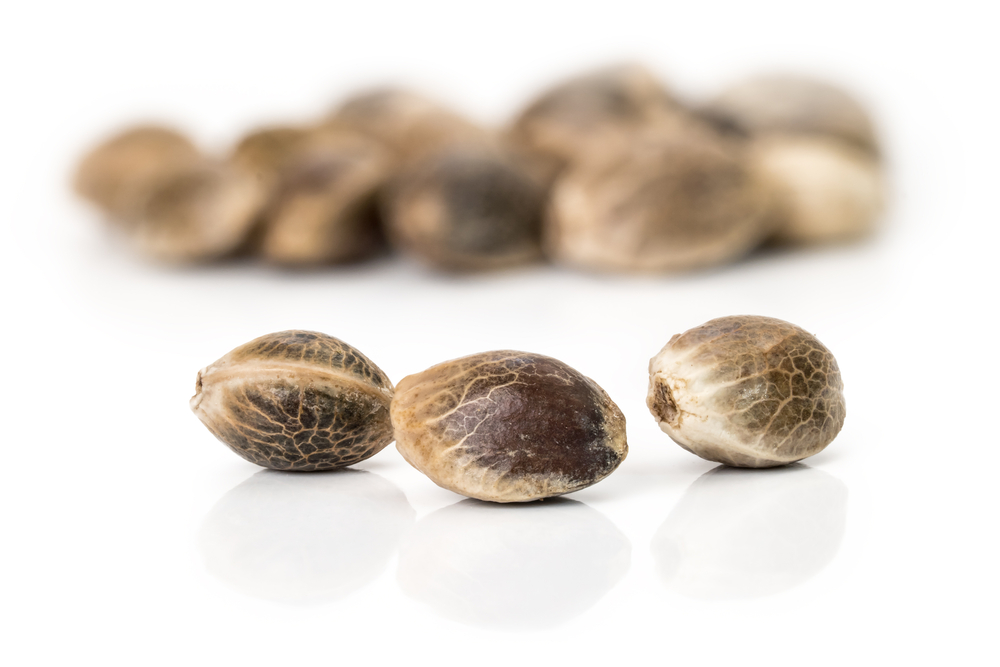
That gorgeous cannabis plant that produces those fascinatingly potent buds starts as a tiny seed no bigger than the head of a match. The thing is, if you intend for that seed to eventually give you a lush, beautiful plant, you need a high-quality seed.
A lot of factors affect the destiny of a cannabis seed and what it grows to be, such as genetics, how the seed is germinated, and then how well it’s tended as a sprout and plant. Nevertheless, there is such a thing as a bad seed—literally, not figuratively—when it comes to growing marijuana. Learning to spot a bad seed means saving time, effort, and money in the long run. And recognizing a bad seed from the start can take a little guidance for beginners. Here’s a guide to help you recognize a good and bad weed seed when you see it.
First, What Exactly Does It Mean to Have a “Bad” Cannabis Seed?
A bad cannabis seed, simply put, is a seed that will not sprout. For the sake of clarity, some people refer to male cannabis seeds as “bad.” Of course, having a male cannabis plant sprouting in your grow room among your females is not a good thing. This can interfere with yields and result in cross-pollinated seeds from your female plant.
Unfortunately, you can’t easily differentiate male from female seeds, which is one reason it is important to always purchase feminized seeds from a reputable seed bank. Here, when we refer to bad cannabis seeds, we are talking about seeds that don’t germinate or grow properly because there is something wrong.
How to Test Your Weed Seeds
With your weed seeds in hand, they may just look like seeds. However, a seasoned grower can usually spot a bad seed before they ever try to germinate. Problems like odd shape, bad consistency, or even lack of shine can be indicators of a bad marijuana seed. Check out four ways to test your weed seeds to see if they are good enough for planting.
Visual Inspection
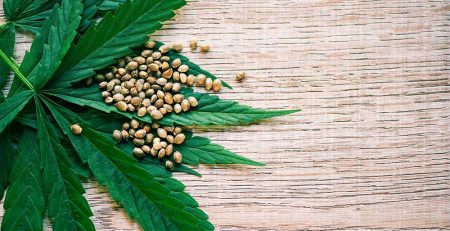
Cannabis seeds can be striking. The little, teardrop-shaped beads can range in color, portray mottled coloration or tiger stripes, and have a noteworthy sheen. However, bad seeds tend to have a few characteristics you can spot with a basic visual inspection. Here are a few things to look at with a seed to determine if it is good or bad:
- Shape – In general, fatter, more rounded seeds are a good sign of healthy germination to come
- Cracks – A cracked seed, no matter the size of the seed, should be discarded
- Shell Coating – The shell of the seed should appear shiny, almost waxy; dull, lackluster seeds are likely no good or old
- Color – White or green seeds are young seeds and won’t germinate, pale seeds tend to be old; deep seed color with black or gray hues is a good sign
- Mildew – White, powdery dust is a sign of mildew or fungus, which will interfere with germination
If your visual assessment leads you to believe a marijuana seed is bad, you can further confirm the speculation by cracking the seed open. If the interior is oily, smells bad, or looks black, these are all signs of a bad seed.
Squeeze Test
Applying a bit of light pressure to a cannabis seed should not cause it to crack or lose shape. So, to test a marijuana seed, squeeze it lightly between your fingers. The key here is you don’t need to apply a great amount of force—all seeds crack under severe force. However, a seed that breaks down with just a gentle squeeze is likely old, immature, or otherwise not good quality.
Float Test
Float testing seeds is a common practice in growing all kinds of plants. Basically, a healthy seed is denser, which means it will not float after being submerged in water for a few hours. It should be noted, however, that you should not expose your cannabis seed to water unless you are prepared to start the germination process. Water can start to degrade the shell of the seed, which means it won’t be safe to go back into storage after exposure. To do the float test with weed seeds:
- Get a clear glass and fill it with warm or room-temperature water
- Drop in the seeds you want to test
- Wait for one to two hours
After the wait, seeds that have floated to the top are likely not good, and the seeds that have sunk to the bottom of the glass are more than likely good to go. After the float test, divide the good seeds from the bad and get ready for germination.
Germination Test
Germination is the end test for determining whether a seed is good or bad, even though most people prefer to find bad seeds before they ever get to this point. Nevertheless, germination is a surefire test to figure out which of your marijuana seeds is good.
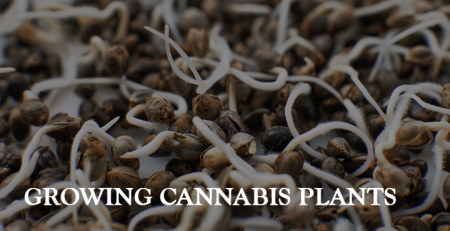
Growers use different methods for seed germination, but most will lead to germination in just a few days if done properly. For example, some prefer to do a direct-sow method that involves planting the seed in a cup of soil, keeping the soil moist, and waiting for a sprout.
These days, though, most growers go with a wet paper towel for germination. This involves placing the seed on a damp paper towel on a plate about three centimeters apart and then covering the plate with an inverted one to keep the seeds in the dark. You simply keep the paper towel moist until the seeds sprout. Any seeds that don’t sprout once all others have developed a taproot are obviously no good and can be discarded.
Common Reasons for Germination Failure Beyond Bad Weed Seeds
When a seed does not germinate, it’s easy to assume it must have been a bad seed. However, seeds can fail at germination for a few reasons, some of which are associated with basic human error. Seeds may not germinate if:
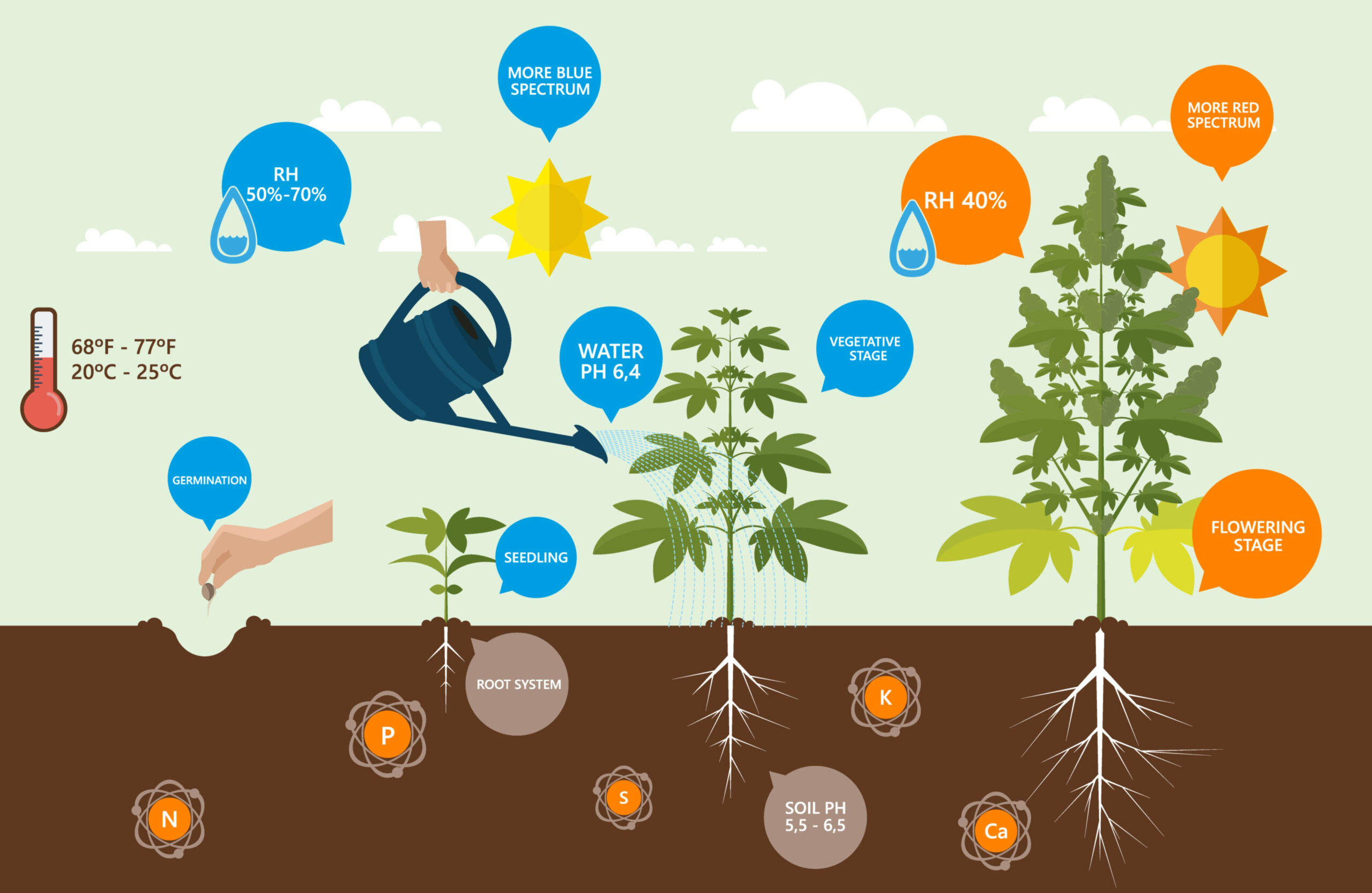
- They are not held at optimal temperatures (68 to 86 °F is best)
- The seeds are exposed to sunlight during attempted germination
- The seeds do not have enough moisture in the sprouting environment
Additionally, seeds may not sprout if they were not stored properly during their dormant period. For instance, seeds that have been exposed to high levels of heat may not germinate properly.
A Final Word on Choosing the Best Cannabis Seeds
In every regard—from seed to harvest—growing cannabis takes a bit of learning. The more you learn about each step of the process, the more likely it will be that you have a successful harvest. Starting from the beginning with a good seed is one of the most important step to take. Therefore, learning how to spot a good seed and trusting only reliable sources for quality seeds are extremely important.











Leave a Reply